Stay Sober, Stay Sharp, Stay Safe
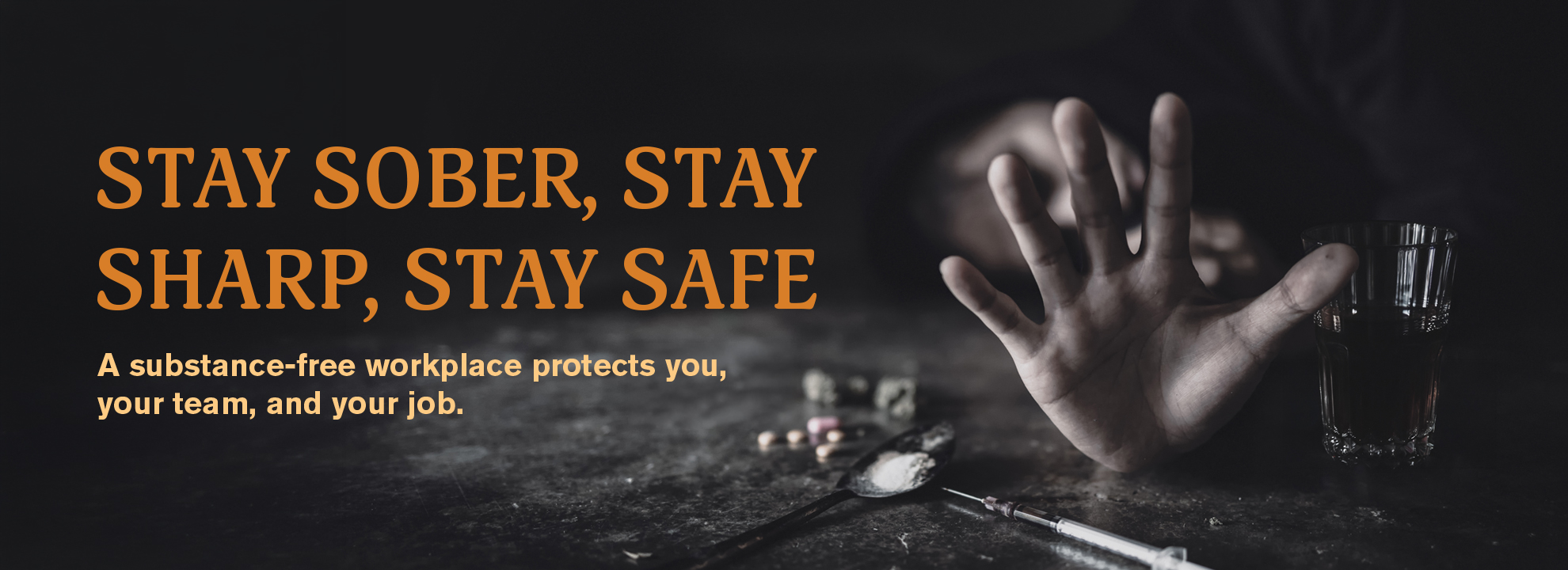
A substance-free workplace protects you, your team, and your job.
Substance Abuse and Safety in the Workplace
Substance abuse remains one of the most important health, safety and productivity challenges facing workplaces across the world. Alcohol misuse, drug use and behavioural addictions can affect concentration, judgement, reaction time, emotional control and decision-making — all of which are critical for maintaining a safe working environment.
In high-risk industries such as mining, manufacturing, transport, construction, healthcare and security, impairment can lead to devastating consequences including injuries, fatalities, property damage and long-term psychological trauma. However, even office-based environments are affected through absenteeism, reduced productivity, poor communication, conflict and burnout.
Today, workplace wellness programmes are increasingly recognising that substance abuse is not only a disciplinary issue, but also a health, mental health and wellbeing, and safety concern requiring education, early intervention and support.
According to the World Health Organization, harmful alcohol use contributes to more than 3 million deaths globally each year and is linked to more than 200 diseases, injuries and other health conditions. Alcohol and drug use are also strongly associated with road traffic accidents, workplace incidents, violence and mental health disorders.

Understanding Substance Abuse
Substance abuse refers to the harmful or hazardous use of psychoactive substances, including:
- Alcohol
- Cannabis
- Cocaine
- Methamphetamine
- Prescription medication misuse
- Opioids
- Sedatives and sleeping tablets
- Illicit drugs
Substance abuse becomes particularly dangerous in the workplace because it may impair:
- Attention and concentration
- Memory
- Coordination
- Decision-making
- Reaction time
- Emotional regulation
- Communication skills
An employee may appear “functional” while still being impaired enough to create a serious safety risk.
Research shows that impairment contributes to:
- Increased workplace injuries
- Near misses
- Poor judgement
- Reduced productivity
- Absenteeism
- Fatigue
- Conflict among staff
- Increased healthcare costs

The Changing Conversation Around Alcohol
For many years, alcohol was commonly associated with relaxation, socialisation and stress relief. Moderate drinking was even believed by some researchers to offer certain health benefits.
However, newer research has shifted the global conversation significantly.
The World Health Organization states that there is no completely safe level of alcohol consumption when it comes to cancer risk. Alcohol has been classified as a Group 1 carcinogen by the International Agency for Research on Cancer — meaning there is strong scientific evidence that it causes cancer in humans.
Research now links alcohol consumption to:
- Breast cancer
- Liver cancer
- Colorectal cancer
- Mouth and throat cancers
- Oesophageal cancer
Even small amounts of alcohol may increase risk over time. According to the WHO, the risk begins from the first drink and increases with greater consumption.
This updated research does not mean that every person who drinks alcohol will develop cancer or addiction. However, it does highlight the importance of informed decision-making and understanding that “moderate drinking” is not completely risk-free.
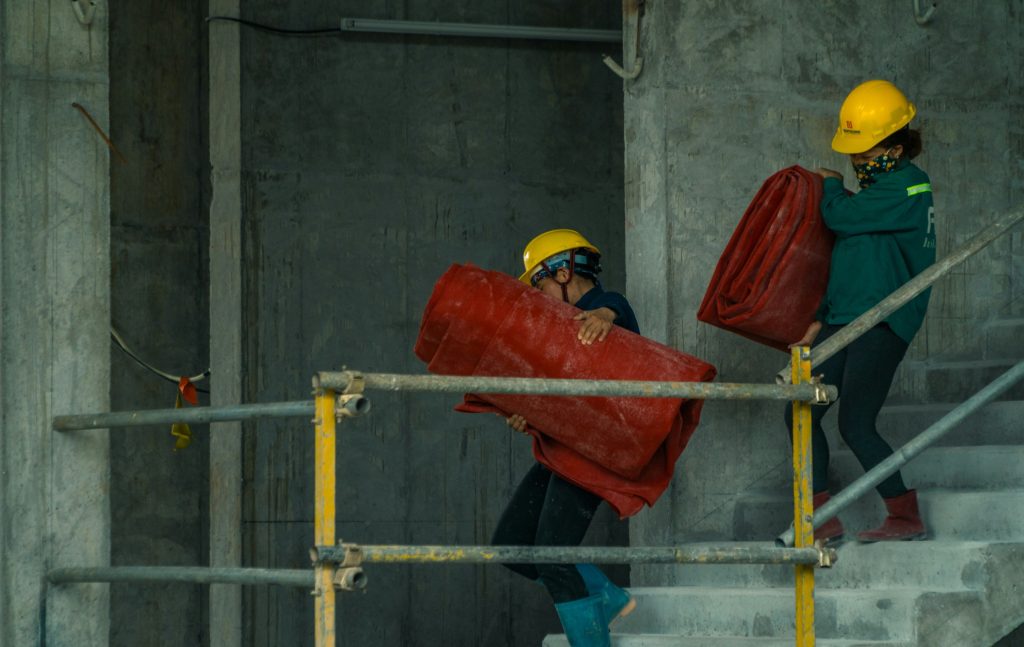
Alcohol and Workplace Safety
Alcohol affects the brain and nervous system, even in small amounts.
Possible workplace effects include:
- Slower reaction times
- Reduced coordination
- Poor concentration
- Risk-taking behaviour
- Delayed judgement
- Increased fatigue
- Emotional instability
These effects can significantly increase the likelihood of accidents, especially in roles involving:
- Driving
- Heavy machinery
- Electrical work
- Working at heights
- Operating tools
- Security services
- Healthcare and patient care
Hangovers can also affect workplace safety. Even after alcohol is no longer detectable, a person may still experience:
- Reduced focus
- Dehydration
- Fatigue
- Headaches
- Slower cognitive function
This phenomenon is sometimes called “residual impairment.”
Addiction Is a Health and Safety Issue
Addiction is a chronic condition in which a person continues using a substance or engaging in a behaviour despite harmful consequences.
Addiction can affect people from any background, profession or education level. It is not always obvious, and many individuals struggle silently for years.
Signs of possible addiction may include:
- Mood swings
- Frequent absenteeism
- Increased secrecy
- Declining work performance
- Financial difficulties
- Isolation from colleagues
- Frequent mistakes
- Aggressive behaviour
- Fatigue or sleeping on duty
Addiction may develop gradually and is often linked to:
- Stress
- Trauma
- Burnout
- Anxiety
- Depression
- Family difficulties
- Financial strain
- Social pressure
According to the National Institute on Drug Abuse, addiction changes brain function and affects self-control, decision-making and behaviour.

Behavioural Addictions and Workplace Performance
Not all addictions involve substances. Behavioural addictions are increasingly recognised as serious mental health and workplace wellbeing concerns.
Examples include:
- Gambling addiction
- Gaming addiction
- Social media addiction
- Pornography addiction
- Shopping addiction
- Internet addiction
- Work addiction (“workaholism”)
Behavioural addictions may lead to:
- Sleep deprivation
- Chronic fatigue
- Distracted working
- Anxiety and depression
- Financial stress
- Reduced concentration
- Emotional exhaustion
Employees struggling with behavioural addictions may appear constantly distracted, exhausted or emotionally overwhelmed, which can indirectly affect workplace safety and team functioning.
Substance Abuse and Mental Health
Mental health and substance abuse are closely connected; and sometimes one is the result of the other.
Some individuals use substances to cope with:
- Anxiety
- Depression
- Stress
- Trauma
- Loneliness
- Burnout
- Sleep problems
Unfortunately, substance use often worsens these conditions over time.
Alcohol itself is a depressant, meaning it can negatively affect mood, sleep and emotional stability. Long-term misuse may increase the risk of depression, anxiety disorders and relationship problems.
Supportive workplace cultures can encourage employees to seek help earlier, reducing the risk of severe mental health crises, accidents and long-term addiction.
Creating a Safer Workplace
Employers and employees both play a role in promoting workplace safety and wellbeing.
Healthy workplace strategies include:
- Human Capital Insurance (also known as EAPs)
- Mental health awareness campaigns
- Supervisor training
- Stress management workshops
- Fatigue management
- Clear alcohol and drug policies
- Early intervention support
- Confidential counselling services
Workplaces should aim to create environments where employees feel safe seeking help without fear of stigma.
Key Safety Messages
Protect Yourself and Others
- Never work while impaired
- Use medication responsibly
- Avoid alcohol before safety-sensitive work
- Get enough sleep and rest
- Seek help early if struggling
- Report unsafe behaviour immediately
Remember:
A clear mind protects everyone.
Sources
Related Posts
Breaking News: Static in the Age of Digital Overload
Overload From Over-exposure is Causing a Disconnect. It’s Time for a Digital Detox to Get…
Taste the Sun, Boost Your Vitamin D
Vitamin D is your daily dose of strength—from bones to immunity; but what if you…
Health Awareness Part 2
Have You Thought About the Effects of Mental Health on Safety at Work? Rest, Awareness…
Leave a Reply