
Damage Does Not Always Make Noise
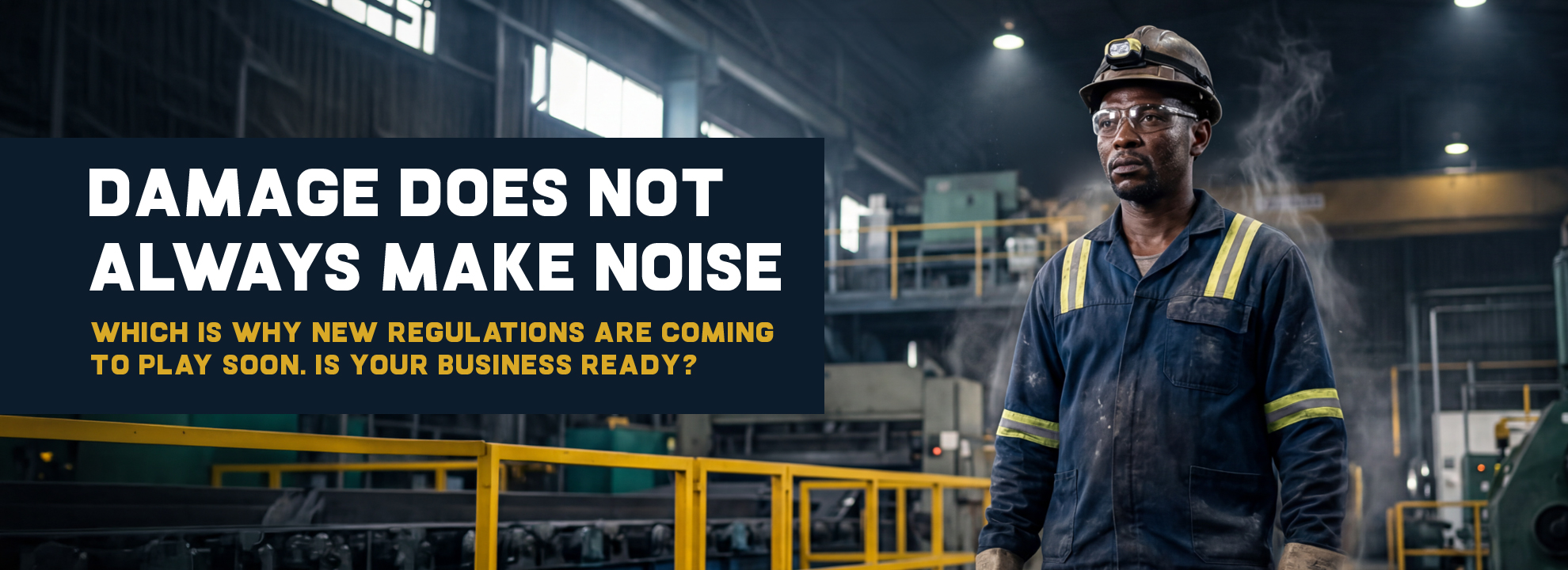
Which is Why New Regulations Are Coming to Play Soon. Is Your Business Ready?
New South African Health and Safety Regulations Coming into Full Effect in September 2026: What Employers and Employees Need to Know
South Africa is entering one of the biggest workplace health and safety regulatory shifts in decades.
From 5 September 2026, major new Occupational Health and Safety (OHS) regulations will fully replace older workplace environmental and noise regulations that many industries have used for years. These changes form part of government’s effort to modernise workplace health and safety management and improve protection for workers exposed to harmful workplace conditions. (Government of South Africa).
The two major regulations are:
- Physical Agents Regulations, 2024
- Noise Exposure Regulations, 2024
These regulations fall under the Occupational Health and Safety Act and will affect almost every workplace where employees are exposed to environmental hazards such as:
- excessive noise,
- heat,
- vibration,
- radiation,
- poor ventilation,
- and lighting hazards.
Industries expected to be most affected include:
- manufacturing,
- mining support services,
- construction,
- warehousing,
- engineering,
- transport,
- healthcare,
- electrical industries,
- and heavy industrial operations.

Why Were the Regulations Changed?
The older regulations focused mainly on minimum compliance standards. The new regulations move South Africa toward a stronger risk management approach, requiring employers to actively identify, monitor, control, and reduce workplace hazards before workers become ill or injured. (ECASA)
The Department of Employment and Labour has indicated that the changes are intended to:
- strengthen worker protection,
- improve prevention of occupational diseases,
- align South Africa with international standards,
- and improve enforcement of workplace health regulations. (Government of South Africa)
1. New Noise Exposure Regulations, 2024
The new regulations replace the old Noise-Induced Hearing Loss Regulations of 2003 after an 18-month transition period ending in September 2026. (Government of South Africa)
Why Noise Exposure Matters
Noise-induced hearing loss is one of the most common occupational diseases worldwide. Long-term exposure to loud noise can lead to:
- permanent hearing damage,
- ringing in the ears (tinnitus),
- fatigue,
- stress,
- poor concentration,
- communication difficulties,
- and increased accident risk.
Many workers become accustomed to noisy environments and do not realise damage is occurring until hearing loss becomes permanent.
Key Changes Under the New Noise Regulations
Stricter Noise Control Requirements
The regulations place greater responsibility on employers to reduce noise exposure at the source.
Employers must first attempt to:
- eliminate the noise,
- reduce it through engineering controls,
- apply administrative controls,
- and only then rely on personal protective equipment (PPE). (Acts Online)
This means companies can no longer rely mainly on earplugs while leaving extremely noisy machinery unchanged.
Examples of engineering controls include:
- soundproofing,
- acoustic barriers,
- machine maintenance,
- quieter machinery,
- vibration reduction,
- and equipment isolation systems.
Mandatory Noise Risk Assessments
Employers must conduct formal workplace noise risk assessments to identify:
- who is exposed,
- where exposure occurs,
- how severe the exposure is,
- and what control measures are needed.
These assessments must be reviewed regularly.
Noise Monitoring Programmes
Where noise exposure may exceed legal limits, employers must implement a formal monitoring programme conducted by approved inspection authorities.
Monitoring may include:
- area noise testing,
- personal noise dosimetry,
- and peak noise measurement.
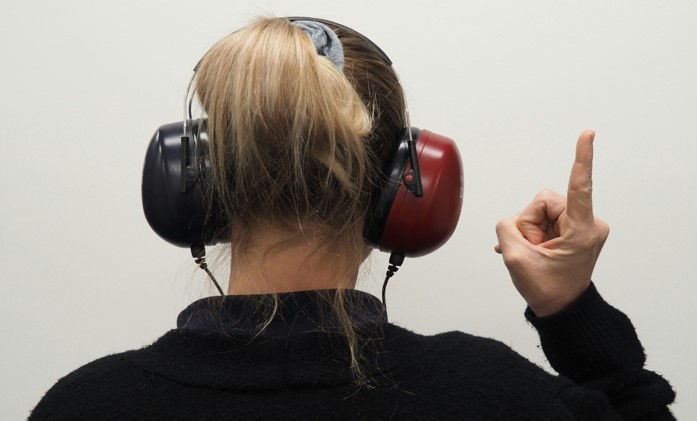
Medical Surveillance and Hearing Testing
The regulations require stronger medical surveillance systems including:
- baseline hearing tests,
- periodic audiometry,
- ongoing hearing conservation programmes,
- and proper record keeping. (Shangoni)
This helps detect hearing loss earlier before permanent damage worsens.
Worker Training Requirements
Employees exposed to noise must receive training on:
- the dangers of noise exposure,
- correct use of hearing protection,
- reporting defective controls,
- and safe work practices. (Acts Online)
2. Physical Agents Regulations, 2024
The new Physical Agents Regulations replace the old Environmental Regulations for Workplaces of 1987. (Government of South Africa)
The regulations address a broad range of workplace environmental hazards.
What Are “Physical Agents”?
Physical agents include harmful workplace conditions such as:
- heat,
- cold,
- vibration,
- radiation,
- illumination,
- and ventilation or indoor air quality issues.
These hazards can affect worker health gradually over time.

Heat Stress
Heat exposure is becoming a growing concern in South Africa, especially in:
- mining,
- construction,
- manufacturing,
- agriculture,
- warehouses,
- and outdoor work environments.
Heat stress can cause:
- dehydration,
- dizziness,
- exhaustion,
- heat stroke,
- poor concentration,
- and workplace accidents.
The regulations require employers to identify heat hazards and implement controls where necessary.
Vibration Exposure
Workers using:
- grinders,
- drills,
- jackhammers,
- heavy machinery,
- driving vehicles such as forklifts
- and vibrating tools
may be exposed to harmful vibration levels
Long-term exposure may lead to:
- nerve damage,
- circulation problems,
- joint pain,
- and musculoskeletal disorders.
The new regulations require risk assessment and exposure control measures. (Law Library)
Lighting and Ventilation
Poor lighting and ventilation contribute to:
- eye strain,
- fatigue,
- headaches,
- respiratory discomfort,
- and increased accident risk.
The regulations require workplaces to maintain safe environmental conditions appropriate for the work being performed.

Review Workplace Risks
Companies should immediately review:
- noise levels,
- heat exposure,
- lighting,
- ventilation,
- vibration hazards,
- and radiation exposure.
Companies should perform Physical Agent Risk Assessments as well as Noise Risk Assessments in accordance with the new Regulations.
Update Policies and Procedures
Employers should revise:
- OHS policies,
- hearing conservation programmes,
- medical surveillance systems,
- safe work procedures,
- and training programmes.
Improve Engineering Controls
Workplaces may need:
- quieter equipment,
- better ventilation systems,
- soundproofing,
- acoustic barriers,
- improved cooling systems,
- and machinery upgrades.
Train Supervisors and Workers
Employees and supervisors need training on:
- new legal duties,
- hazard reporting,
- safe work practices,
- and proper use of control measures.
Prepare for Stronger Enforcement
The Department of Employment and Labour is expected to increase inspections and compliance enforcement under the new regulations. (Government of South Africa)
Failure to comply could result in:
- penalties,
- enforcement notices,
- operational disruptions,
- compensation claims,
- and reputational damage.
Conclusion
The September 2026 OHS changes represent a major shift in workplace health and safety management in South Africa.
The new regulations place stronger emphasis on:
- prevention,
- scientific risk management,
- exposure monitoring,
- medical surveillance,
- and engineering controls.
For employers, compliance will require planning, investment, and updated safety systems.
For workers, the changes aim to create safer, healthier workplaces with better protection against long-term occupational illness and injury.
The best approach is to begin preparation now rather than waiting for the implementation deadline.
SOURCES
- South African Government – Employment and Labour Launches Regulations
- Acts Online – Noise Exposure Regulations 2024
- Acts Online – Noise Exposure Regulations 2024
- Acts Online – Prevention or Control of Exposure to Noise
- Acts Online – Duties of Persons Exposed to Physical Agents
- ECA SA – Move Away from Environmental Regulations for Workplaces
- Shangoni – Noise Exposure Regulations 2024 Overview
Related Posts
Good Stress and Bad Stress
Do You Know How to Balance the Scale? Introduction Not all stress is the enemy.…
Handling The Holi-Daze
Seasonal Affective Disorder is Often Associated with Winter, but is Also Prevalent During the Holiday…
Always PrEP-ared
Whether it's Taking Your ARVs Consistently, Always Having Protection or Being on PrEP; Protect Yourself…
Leave a Reply