
Breaking News: Static in the Age of Digital Overload
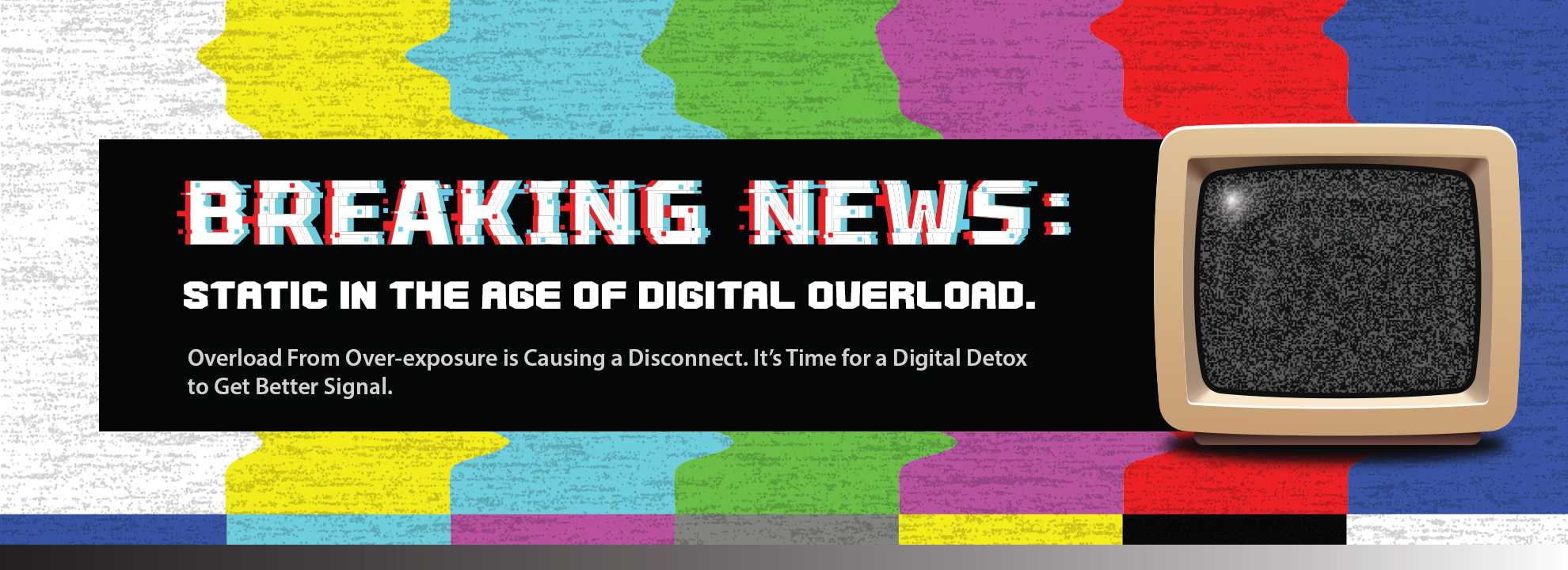
Overload From Over-exposure is Causing a Disconnect. It’s Time for a Digital Detox to Get Better Signal.
When Constant Connection Becomes Constant Noise
We live in an era where information never sleeps. News alerts flash across our screens, social media feeds update by the second, and digital assistants answer our questions instantly. While technology has brought enormous benefits, being continuously connected can come at a cost.
Many people feel pressure to stay informed about every crisis, every headline, and every update. At the same time, work emails, group chats, endless scrolling, and growing reliance on digital tools mean that our brains rarely have the opportunity to rest.
The result? Digital overload.
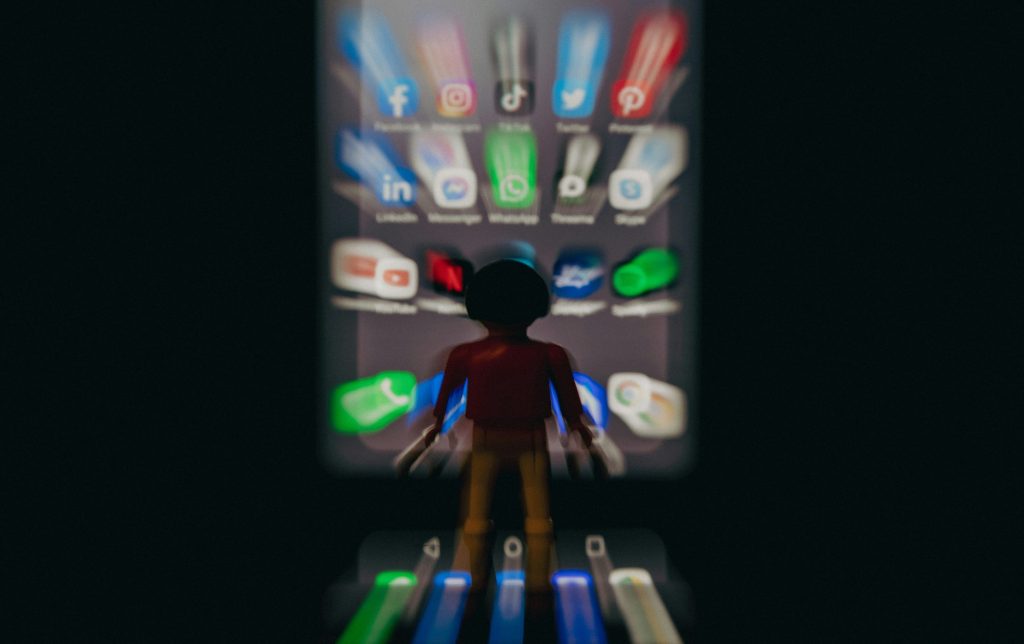
Digital overload occurs when the amount of information and digital stimulation we consume exceeds our ability to process it effectively. It can leave us feeling mentally exhausted, emotionally overwhelmed, distracted, and disconnected from ourselves and the people around us.
The Impact of Being Chronically Online
Research increasingly suggests that excessive exposure to digital content can affect our wellbeing in several ways:
1.Increased Stress and Anxiety
Continuous exposure to distressing news stories, sometimes referred to as “doomscrolling,” can heighten feelings of worry, helplessness, and fear.
Studies have shown that repeated exposure to traumatic media coverage during crises can contribute to increased psychological distress.
2.Difficulty Concentrating
The constant switching between emails, messages, notifications, and online content fragments attention and can make sustained focus more difficult.
People may notice that they:
- Struggle to complete tasks without checking their phones;
- Feel restless during quiet moments;
- Find it difficult to read or engage deeply with information.
3.Poor Sleep Quality
Using digital devices late into the evening may interfere with healthy sleep habits through:
- Mental overstimulation;
- Delayed bedtimes;
- Increased exposure to emotionally activating content.
Poor sleep, in turn, affects mood, memory, concentration, and resilience.
4.Emotional Numbing and Compassion Fatigue
When we are exposed to an endless stream of suffering and crisis, our emotional systems can become overwhelmed.
Some people may begin to feel:
- Detached;
- Numb;
- Less empathetic;
- Exhausted by the demands of caring
5.Reduced Face-to-Face Connection
Being constantly available online can unintentionally reduce opportunities for meaningful offline interaction.
Even when physically present, people may find themselves mentally elsewhere—checking notifications, scrolling, or multitasking.
When Convenience Becomes Dependence
Digital assistants, navigation systems, search engines, and artificial intelligence tools can save time and improve efficiency. However, complete dependence on these technologies may reduce opportunities to practise important skills such as:
- Problem-solving;
- Critical thinking;
- Memory recall;
- Decision-making;
- Independent judgement.
The goal is not to reject technology, but to use it intentionally rather than automatically.

Signs You May Need a Digital Detox
You might benefit from resetting your relationship with technology if you notice that you:
- Feel anxious when separated from your phone;
- Check notifications compulsively;
- Struggle to switch off from work after hours;
- Regularly lose track of time while scrolling;
- Feel emotionally overwhelmed by the news cycle;
- Have difficulty sleeping because of device use;
- Neglect hobbies, exercise, or relationships due to screen time;
- Rely on digital tools for tasks you previously managed independently.
What Is a Digital Detox?
A digital detox is the intentional reduction of non-essential technology use to improve wellbeing, restore balance, and reconnect with the present moment.
A detox does not have to involve giving up technology completely.
Instead, it focuses on creating healthier boundaries.
Practical Ways to Get Better Signal
Schedule News Check-Ins
Choose one or two specific times each day to catch up on reputable news sources instead of monitoring updates continuously.
Turn Off Non-Essential Notifications
Reduce interruptions by disabling alerts that are not urgent or necessary.
Create Tech-Free Spaces
Consider keeping bedrooms, dining areas, or family activities free from digital devices.
Practice the 20-Minute Rule
Before reaching for your phone during moments of boredom, try another activity first:
- Stretching;
- Going for a short walk;
- Having a conversation;
- Reading a few pages of a book.

Reconnect Offline
Schedule time for activities that support wellbeing, including:
- Physical activity;
- Creative hobbies;
- Time in nature;
- Face-to-face social interaction.
Use Technology Intentionally
Ask yourself: “Am I using this tool because it adds value right now, or simply because it is available?”
A Healthier Relationship with Technology
Technology itself is not the enemy.
The challenge lies in creating balance in a world designed to capture and hold our attention.
Being informed does not require constant exposure.
Being productive does not require permanent availability.
Being connected does not mean being online all the time.
Sometimes the clearest signal emerges when we reduce the static.
Sources
- American Psychological Association – Stress in America: The Impact of Current Events and Media Consumption
- World Health Organization – Mental Health and Psychosocial Considerations During Emergencies
- Harvard Health Publishing – The Effects of Doomscrolling on Mental Health
- Pew Research Center – Americans’ News Habits and Information Overload
- National Institutes of Health – Media Exposure and Mental Health Outcomes During Crises
- Mayo Clinic – Screen Time and Sleep: Reducing the Impact on Health
Related Posts

Stay Sober, Stay Sharp, Stay Safe
A substance-free workplace protects you, your team, and your job. Substance Abuse and Safety in…

Taste the Sun, Boost Your Vitamin D
Vitamin D is your daily dose of strength—from bones to immunity; but what if you…
Health Awareness Part 2
Have You Thought About the Effects of Mental Health on Safety at Work? Rest, Awareness…
Leave a Reply