
Taste the Sun, Boost Your Vitamin D
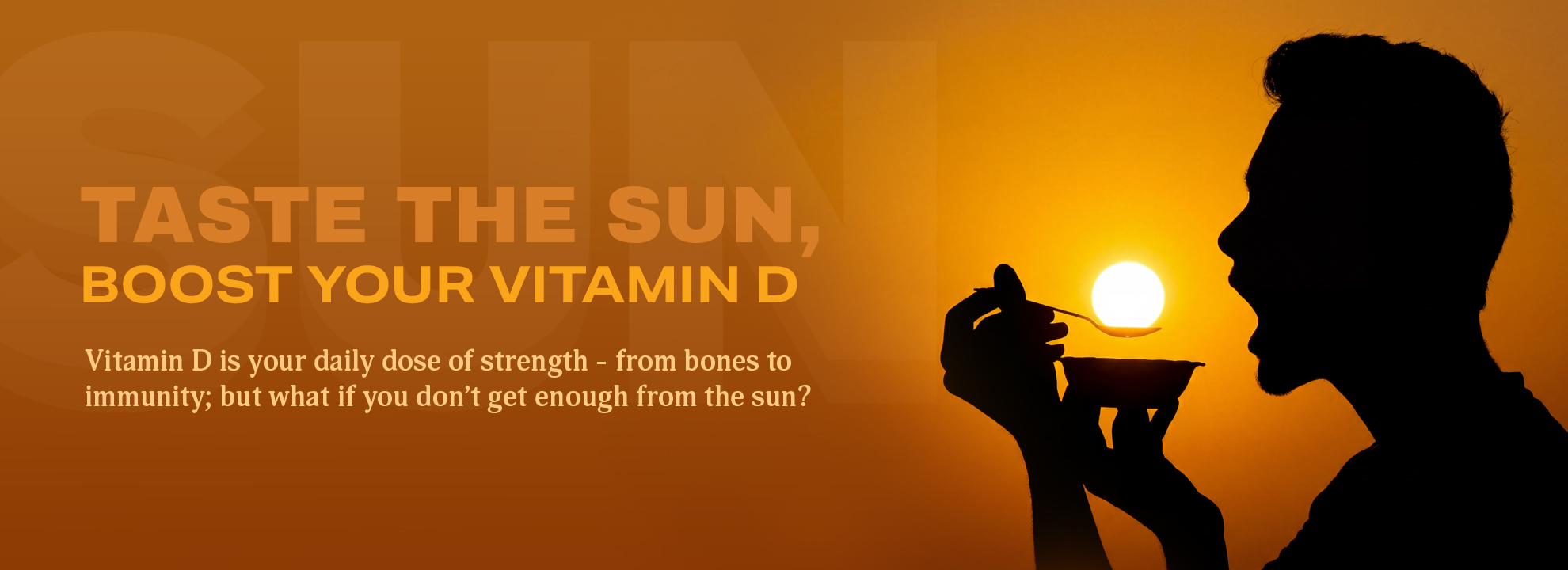
Vitamin D is your daily dose of strength—from bones to immunity; but what if you don’t get enough from the sun?
Why living in a sunny country doesn’t guarantee optimal vitamin D retention.
South Africa is known for its abundant sunshine, yet vitamin D deficiency remains a widespread and often overlooked health concern. Many people assume that simply living in a sunny environment protects them—but modern lifestyles, environmental factors, and individual biology tell a different story.
Vitamin D is not just another nutrient—it functions more like a hormone, influencing multiple systems in the body. From bone strength to immune defense and even mental wellbeing, maintaining adequate levels is essential for long-term health.
What Is Vitamin D and Why Does It Matter?
Vitamin D is produced in the skin when exposed to ultraviolet B (UVB) rays from sunlight. It can also be obtained in small amounts through diet or supplements.
Once activated in the body, vitamin D plays several critical roles:
Bone and Skeletal Health
Vitamin D helps regulate calcium and phosphate levels in the body, which are necessary for:
- Strong bones and teeth
- Preventing bone softening (osteomalacia in adults)
- Reducing the risk of fractures and osteoporosis
Without sufficient vitamin D, the body cannot properly absorb calcium—even if dietary intake is adequate.
Immune System Support
Vitamin D supports immune function by helping the body fight infections. Research has shown that low vitamin D levels are associated with:
- Increased susceptibility to respiratory infections
- Slower recovery from illness
- Greater inflammation in the body
This became particularly relevant during the COVID-19 pandemic, where deficiency was linked to poorer outcomes in some studies.
Muscle Function and Strength
Vitamin D contributes to muscle performance and balance. Low levels may lead to:
- Muscle weakness
- Increased risk of falls, especially in older adults
Mental Health and Mood Regulation
Emerging research suggests a link between vitamin D and mental wellbeing. Low levels have been associated with:
- Low mood
- Symptoms of depression
- Fatigue and lack of motivation
While vitamin D is not a treatment for mental health conditions, it plays a supportive role in overall brain health.

Vitamin D Deficiency: A Hidden Problem in South Africa
It may seem counterintuitive, but vitamin D deficiency is common even in sunny countries like South Africa.
Why does this happen?
Indoor Lifestyles
Many people spend most of their day:
- Working in offices
- Commuting in cars or public transport
- Spending leisure time indoors
This significantly reduces sun exposure.
Sunscreen Use
While sunscreen is essential for preventing skin cancer, it can also reduce vitamin D production when used consistently and heavily.
Skin Pigmentation
Melanin (the pigment in darker skin) reduces the skin’s ability to produce vitamin D from sunlight. This means:
People with darker skin tones may need longer sun exposure to produce adequate levels
Seasonal Changes
Even in South Africa, winter months can reduce UVB intensity, especially in certain regions.
Age and Health Factors
Older adults and individuals with certain medical conditions may produce or absorb less vitamin D.
Signs and Symptoms of Vitamin D Deficiency
Vitamin D deficiency is often called a “silent” condition because symptoms can be subtle or mistaken for other issues.
Common signs include:
- Persistent fatigue or low energy
- Frequent colds or infections
- Muscle weakness or cramps
- Bone or lower back pain
- Low mood or depressive symptoms
In severe cases:
- Bone softening (osteomalacia)
- Increased risk of fractures

How to Get Enough Vitamin D in South Africa
Safe Sun Exposure
Sunlight remains the most effective natural source.
General guidance:
- 10–30 minutes of sun exposure
- 3–5 times per week
- Expose arms, face, and legs where possible
Important:
Balance is key—avoid sunburn while still allowing some unprotected exposure.
Dietary Sources
Very few foods naturally contain vitamin D, but some good options include:
- Fatty fish (sardines, salmon, pilchards)
- Egg yolks
- Liver
- Fortified foods (milk, margarine, breakfast cereals)
Supplements
For individuals at risk of deficiency, supplements may be necessary.
This is especially relevant for:
- People who work indoors
- Individuals with darker skin tones
- Older adults
- People with limited sun exposure
Always consult a healthcare provider before starting supplements.
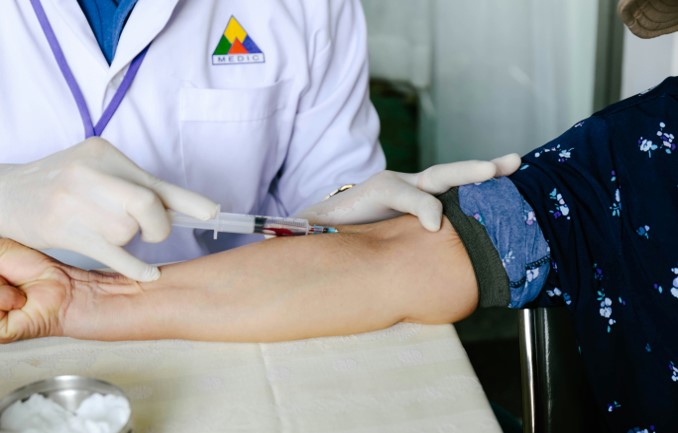
Should You Get Tested?
A simple blood test can measure vitamin D levels. Testing may be recommended if you:
- Experience symptoms of deficiency
- Have limited sun exposure
- Have underlying health conditions
Practical Tips for Everyday Life
- Take short breaks outside during the workday
- Walk or exercise outdoors when possible
- Sit near sunlight when indoors
- Include vitamin D-rich foods in your meals
- Be mindful—but not fearful—of sun exposure
The Bottom Line
Living in a sunny country does not automatically mean you are getting enough vitamin D. Modern lifestyles, combined with biological and environmental factors, have made deficiency more common than expected.
The good news?
Small, consistent habits—like getting a few minutes of sunlight each day—can have a meaningful impact on your health.
Sources
- World Health Organization – Vitamin and mineral nutrition information
- National Institutes of Health – Vitamin D Fact Sheet for Health Professionals
- Harvard T.H. Chan School of Public Health – Vitamin D overview
- National Health Service – Vitamin D guidelines
- South African Medical Research Council – Local health research and public health insights
- Centers for Disease Control and Prevention – Vitamin D and health
Related Posts
Breaking News: Static in the Age of Digital Overload
Overload From Over-exposure is Causing a Disconnect. It’s Time for a Digital Detox to Get…
Stay Sober, Stay Sharp, Stay Safe
A substance-free workplace protects you, your team, and your job. Substance Abuse and Safety in…
Health Awareness Part 2
Have You Thought About the Effects of Mental Health on Safety at Work? Rest, Awareness…
Leave a Reply